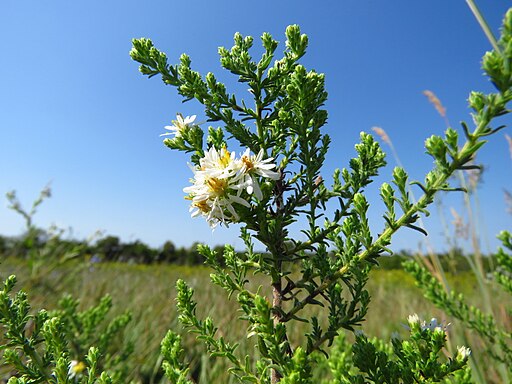
White Heath Aster (Symphyotrichum ericoides)
White Heath Aster (Symphyotrichum ericoides)
Couldn't load pickup availability
The Fall Pollinator Cloud
White Heath Aster (Symphyotrichum ericoides) is one of the most prolific late-season bloomers in the prairie, producing masses of tiny white flowers that can completely cover the plant in a cloud-like display. This adaptable perennial reaches heights of 1-3 feet with a bushy, multi-branched structure and creates spectacular fall displays from September through November. White Heath Aster demonstrates remarkable adaptations for attracting diverse pollinators, thrives in challenging dry conditions, and plays a critical role in supporting late-season insects preparing for winter.
Deep Taproot & Dry Site Specialist
White Heath Aster develops a woody taproot that can reach 4-6 feet deep, combined with spreading rhizomes that allow it to form expanding colonies over time. This dual root strategy provides access to deep water reserves while enabling the plant to colonize dry, rocky, or sandy sites where many prairie plants struggle. The deep taproot makes it exceptionally drought-tolerant once established, surviving extended dry periods without supplemental water. The roots form partnerships with arbuscular mycorrhizal fungi that help extract nutrients from poor soils while the fungi receive sugars in return. The rhizomatous growth allows White Heath Aster to slowly spread and fill gaps in the prairie, creating impressive masses of fall color without becoming overly aggressive.
Prolific Bloom & Pollinator Diversity
White Heath Aster produces an extraordinary number of flowers—a single mature plant can display hundreds or even thousands of small daisy-like blooms simultaneously, creating a spectacular cloud of white that attracts pollinators from considerable distances. Each tiny flower head (typically 1/2 inch across) contains both nectar-rich disc flowers and white ray flowers that serve as landing platforms. The sheer abundance of blooms provides massive amounts of late-season nectar and pollen when most other plants have finished flowering. Research has documented over 80 different pollinator species visiting White Heath Aster, including native bees, butterflies (particularly late-season Monarchs and Painted Ladies), beneficial wasps, hoverflies, and beetles. The late bloom period (September-November) makes it absolutely critical for insects preparing for winter or migration.
Heath-Like Foliage & Structural Interest
The species name "ericoides" means "heath-like," referring to the plant's distinctive narrow, needle-like leaves that resemble those of heather plants. This fine-textured foliage creates an attractive, airy appearance throughout the growing season and helps reduce water loss through transpiration—an important adaptation for dry sites. The leaves are arranged densely along the stems, creating a full, bushy appearance even before flowering begins. The multi-branched structure provides important habitat for beneficial insects and creates structural diversity in the prairie. After frost, the dried flower heads and seed clusters persist through winter, feeding goldfinches and other seed-eating birds while adding delicate textural interest to the winter landscape.
Unique Facts:
- Can produce so many flowers that the foliage is completely hidden beneath a cloud of white blooms at peak flowering
- The tiny flowers remain attractive even after light frosts, continuing to provide nectar when almost nothing else is blooming
- Extremely adaptable, thriving in conditions from dry sandy soils to heavier clay, and tolerating some shade
- The genus was recently renamed from Aster to Symphyotrichum based on genetic research
- Can form substantial colonies over time, creating impressive sweeps of white that light up the fall prairie
- The fine-textured foliage and abundant flowers make it valuable for both ecological restoration and ornamental landscaping
White Heath Aster brings spectacular fall abundance, critical late-season pollinator support, and drought-defying resilience to your prairie—creating clouds of white blooms when insects need them most, thriving in challenging dry sites, and providing a final burst of life before winter's arrival.
Share