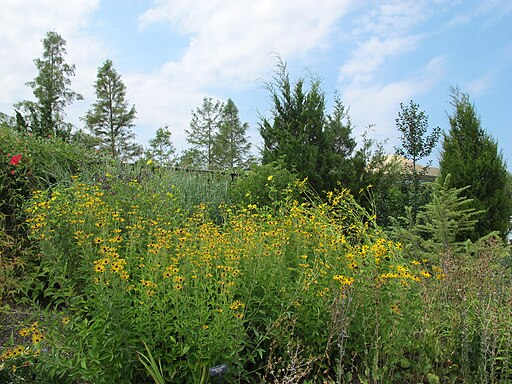
Sweet Black-eyed Susan (Rudbeckia subtomentosa)
Sweet Black-eyed Susan (Rudbeckia subtomentosa)
Couldn't load pickup availability
The Tall Prairie Sunflower
Sweet Black-eyed Susan (Rudbeckia subtomentosa) is one of the tallest and most impressive members of the Rudbeckia genus, reaching heights of 4-6 feet with a branching structure that creates a spectacular floral display. This robust perennial is distinguished from common Black-eyed Susan by its taller stature, sweet vanilla-like fragrance, and soft, fuzzy leaves (subtomentosa means "somewhat hairy"). Sweet Black-eyed Susan demonstrates remarkable adaptations for wet to medium soils, supports an incredible diversity of pollinators, and provides extended bloom that bridges late summer into fall.
Fibrous Roots & Moisture Adaptation
Unlike many prairie plants with deep taproots, Sweet Black-eyed Susan develops an extensive fibrous root system that spreads laterally through the upper 2-3 feet of soil. This architecture makes it particularly well-adapted to heavier clay soils and sites with fluctuating moisture levels, including wet prairies, stream banks, and low-lying areas where other Rudbeckias struggle. The roots form strong partnerships with arbuscular mycorrhizal fungi that help the plant access nutrients while improving soil structure and water infiltration. The fibrous root network is excellent for erosion control on slopes and along waterways, holding soil in place during heavy rains while creating channels for water movement. As roots die back and regenerate, they add substantial organic matter to the soil, improving fertility for surrounding plants.
Extended Bloom & Pollinator Magnet
Sweet Black-eyed Susan produces an abundance of bright yellow flowers from July through October, providing one of the longest bloom periods of any prairie plant. Each flower head is actually a composite structure containing hundreds of individual flowers—the dark center cone holds disc flowers that produce both nectar and pollen, while the yellow ray flowers serve as landing platforms and visual attractants. This extended bloom period makes Sweet Black-eyed Susan critically important for pollinators, providing consistent food during the crucial late-season period when many insects are preparing for winter. The flowers attract native bees, butterflies (including Monarchs, Swallowtails, and Fritillaries), beneficial wasps, and hoverflies. Research has documented over 50 different pollinator species visiting Sweet Black-eyed Susan.
Aromatic Chemistry & Wildlife Support
The distinctive sweet, vanilla-like fragrance that gives this plant its common name comes from aromatic compounds in the flowers and foliage. These volatile organic compounds may serve multiple functions including attracting specific pollinators and deterring certain herbivores. The soft, fuzzy leaves (covered in fine hairs) help reduce water loss and provide additional defense against some leaf-feeding insects. In fall and winter, the prominent seed heads remain standing, providing essential food for goldfinches, chickadees, and other songbirds. The tall, sturdy stems create important vertical structure in the prairie, offering perching sites and shelter for birds and beneficial insects.
Unique Facts:
- The sweet vanilla fragrance is most noticeable on warm, sunny days and can be detected from several feet away
- Can tolerate wetter conditions than most Rudbeckias, making it valuable for rain gardens and low-lying prairie restorations
- The soft, fuzzy leaves distinguish it from other Black-eyed Susans and give it a distinctive texture in the landscape
- Each plant can produce dozens of flower heads simultaneously, creating a spectacular mass of golden blooms
- The dark center cones continue to grow throughout the blooming season, with new disc flowers opening from the outside in
- Can self-sow readily in favorable conditions, creating naturalized colonies that expand over time
Sweet Black-eyed Susan brings towering beauty, extended pollinator support, and aromatic charm to your prairie—thriving in challenging wet sites, supporting incredible biodiversity through its long bloom period, and creating vertical structure that benefits the entire ecosystem.
Share