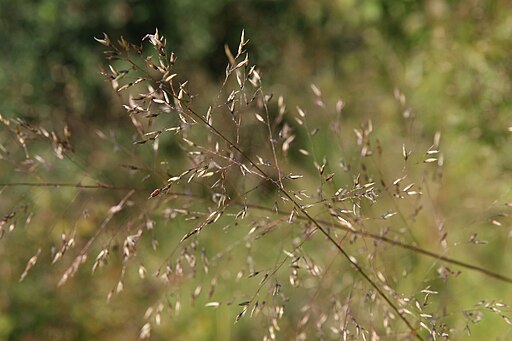
Prairie Dropseed (Sporobolus heterolepis)
Prairie Dropseed (Sporobolus heterolepis)
Couldn't load pickup availability
The Aromatic Prairie Jewel
Prairie Dropseed (Sporobolus heterolepis) is one of the most elegant and distinctive native grasses, forming graceful fountain-like clumps of fine-textured foliage that sway with the slightest breeze. This warm-season bunchgrass is beloved for its unique fragrance—the flowers emit a sweet, cilantro-like scent in late summer that can perfume an entire prairie. Beyond its ornamental appeal, Prairie Dropseed is an ecological specialist that plays crucial roles in soil health, pollinator support, and maintaining prairie diversity.
Extreme Longevity & Clump Architecture
Prairie Dropseed is exceptionally long-lived for a grass, with individual plants documented at over 50 years old and some estimates suggesting they can persist for a century or more. Unlike rhizomatous grasses that spread aggressively, Prairie Dropseed grows in discrete clumps that slowly expand outward, creating a distinctive "bunch" architecture. This growth pattern creates important microhabitats—the spaces between clumps provide ideal germination sites for prairie forbs and shelter for ground-dwelling insects and small mammals. The plant develops a dense, fibrous root system reaching 4-6 feet deep that forms extensive partnerships with arbuscular mycorrhizal fungi, creating underground networks that improve soil structure and nutrient cycling.
Aromatic Chemistry & Pollinator Attraction
The distinctive fragrance that Prairie Dropseed produces during flowering comes from volatile organic compounds that serve multiple ecological functions. These aromatic chemicals attract a variety of native bees and beneficial insects that visit the flowers for pollen, even though the grass is primarily wind-pollinated. The scent may also play a role in plant communication and defense, though research is ongoing. The fragrance is most noticeable on warm, humid evenings in August and September, creating a sensory experience that connects people to the prairie in a unique way.
Seed Production & Wildlife Value
The common name "dropseed" refers to the plant's seed dispersal strategy—the small, round seeds literally drop from the delicate seed heads when mature, creating a natural seed bank around the parent plant. These protein-rich seeds are highly valued by songbirds including sparrows, juncos, and finches, who feed on them from fall through winter. The fine-textured foliage provides excellent nesting material for birds and creates dense cover for beneficial insects. In fall, the entire plant transforms into stunning shades of gold, orange, and copper, maintaining its architectural beauty throughout winter.
Unique Facts:
- The sweet, cilantro-like fragrance during flowering is unique among prairie grasses and can be detected from several feet away
- Extremely drought-tolerant once established, surviving on as little as 12-15 inches of annual rainfall
- The fine, hair-like leaves create a soft, flowing texture that contrasts beautifully with coarser prairie plants
- Can tolerate light shade better than most warm-season grasses, making it valuable for savanna restoration
- Seeds are among the smallest of prairie grasses, with over 400,000 seeds per pound
- The dense clumps remain attractive year-round, providing four-season interest in the landscape
Prairie Dropseed brings aromatic beauty, architectural elegance, and ecological sophistication to your prairie—creating long-lived habitat structure, supporting wildlife, and offering a unique sensory connection to the native landscape for decades to come.
Share