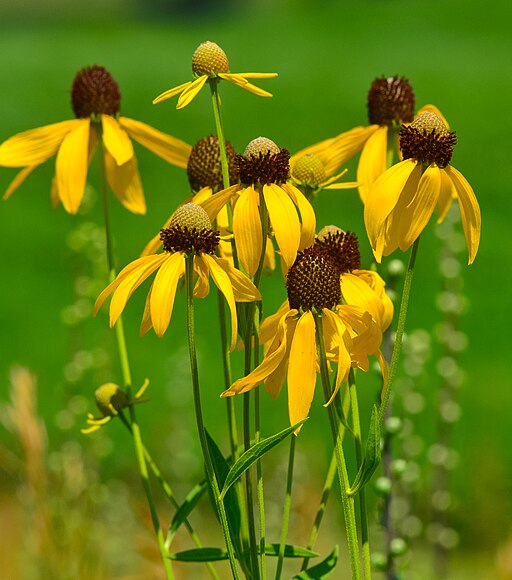
Yellow Coneflower (Ratibida pinnata)
Yellow Coneflower (Ratibida pinnata)
Couldn't load pickup availability
A Prairie Powerhouse for Biodiversity
Yellow Coneflower (Ratibida pinnata) is more than just a beautiful native plant—it's a keystone species that actively shapes the prairie ecosystem around it. This remarkable wildflower plays a fascinating role in building healthy soil and supporting underground networks that keep prairies thriving.
Soil Building & Fungal Partnerships
Below ground, Yellow Coneflower forms symbiotic relationships with mycorrhizal fungi, creating an intricate network often called the "wood wide web." These fungal partners extend the plant's root reach by up to 1,000 times, helping it access water and nutrients while the fungi receive sugars in return. This partnership is crucial for prairie soil health—the fungi help bind soil particles together, preventing erosion and creating the rich, dark prairie soils that can store massive amounts of carbon.
Biodiversity Champion
Yellow Coneflower supports an incredible array of life. Its long blooming period (June through September) provides consistent nectar for native bees, butterflies, and other pollinators when other food sources may be scarce. The seeds feed goldfinches, sparrows, and other songbirds well into winter. The plant's deep taproot (reaching 8-15 feet!) helps break up compacted soil layers, creating channels for water infiltration and pathways for other prairie plants to establish.
Unique Facts
- The drooping petals aren't just decorative—they help direct pollinators toward the prominent central cone
- Can live for decades, with some plants documented at over 50 years old
- Tolerates a wide range of soil conditions, from clay to sand, making it incredibly adaptable
- Native Americans used it medicinally and as a tea
By planting Yellow Coneflower, you're not just adding beauty to your landscape—you're investing in a living piece of prairie infrastructure that builds soil, supports wildlife, and connects to the ancient fungal networks that have sustained prairies for millennia.
Share