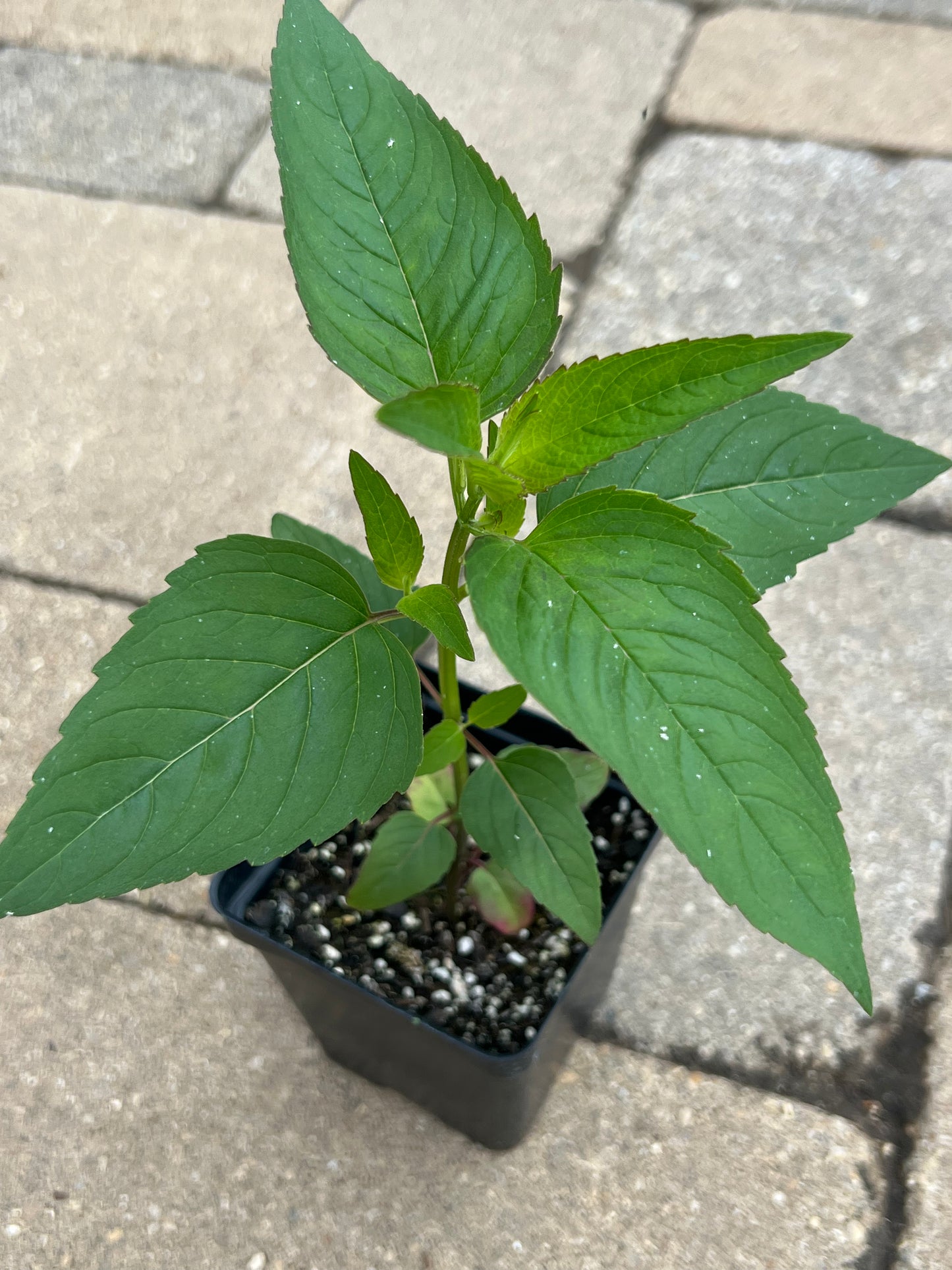
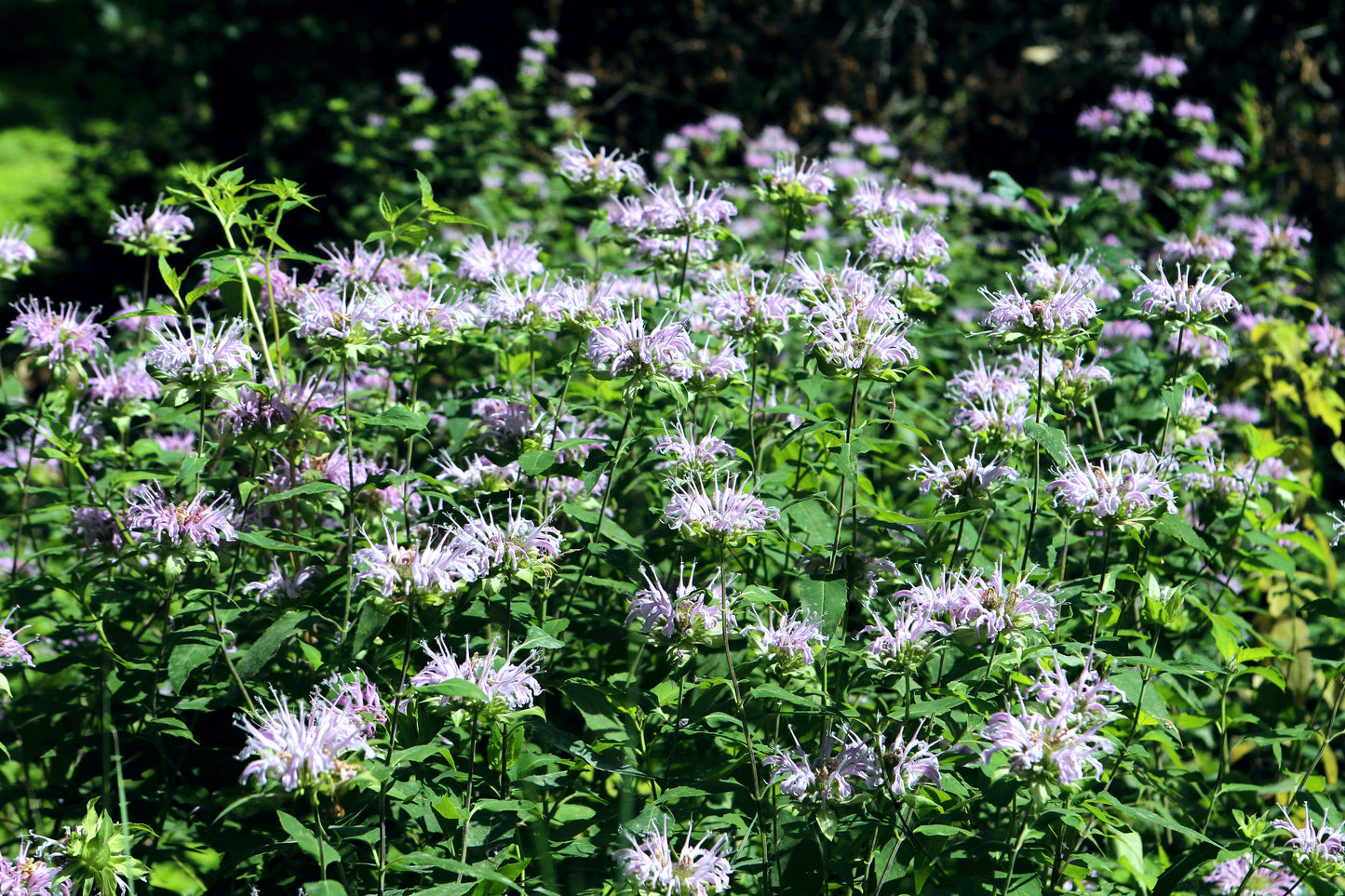
Wild Bergamot (Monarda fistulosa)
Wild Bergamot (Monarda fistulosa)
Couldn't load pickup availability
The Aromatic Pollinator Specialist
Wild Bergamot (Monarda fistulosa) also commonly called Bee Balm or Horse-Mint, is a member of the mint family that has evolved remarkable adaptations for attracting specific pollinators while defending itself chemically. This aromatic prairie plant is a biodiversity hotspot, supporting specialist bees, hummingbirds, and butterflies while demonstrating fascinating chemical ecology.
Chemical Defense & Pollinator Attraction
Wild Bergamot produces essential oils rich in thymol, carvacrol, and other aromatic compounds that serve dual purposes. These chemicals deter many herbivores and have antimicrobial properties that protect the plant from pathogens. However, the same compounds that repel some insects are highly attractive to others—particularly long-tongued bees and butterflies that have co-evolved to associate the scent with abundant nectar. The tubular flowers are specifically shaped for these specialist pollinators, with nectar hidden deep inside where only long tongues can reach.
Hummingbird & Specialist Bee Magnet
The flowers are perfectly designed for ruby-throated hummingbirds, with the right shape, color, and nectar concentration to attract these important pollinators. Wild Bergamot is also crucial for several specialist native bees, including the Monarda Bee (Dufourea monardae), which collects pollen exclusively from Monarda species. Supporting these specialists is critical for maintaining pollinator diversity.
Mycorrhizal Partnerships & Soil Health
Wild Bergamot forms partnerships with arbuscular mycorrhizal fungi that help it thrive in various soil conditions, from dry uplands to moist prairies. The plant's fibrous root system helps prevent erosion and adds organic matter to the soil. As a member of the mint family, it can spread through rhizomes, creating fragrant colonies that benefit the entire ecosystem.
Unique Facts
- The essential oils have documented antibacterial and antifungal properties—Indigenous peoples used it medicinally for centuries
- Leaves can be used to make a tea similar to Earl Grey (which is flavored with bergamot orange, a different plant)
- The square stems are characteristic of the mint family and help identify the plant
- Flowers bloom in whorled clusters, creating efficient feeding stations for pollinators
- Extremely drought-tolerant once established, thriving in hot, dry conditions
- The dried seed heads provide winter food for finches and other small birds
Wild Bergamot brings aromatic beauty, specialist pollinator support, and chemical ecology to your prairie, creating a fragrant hub of biodiversity.
Share