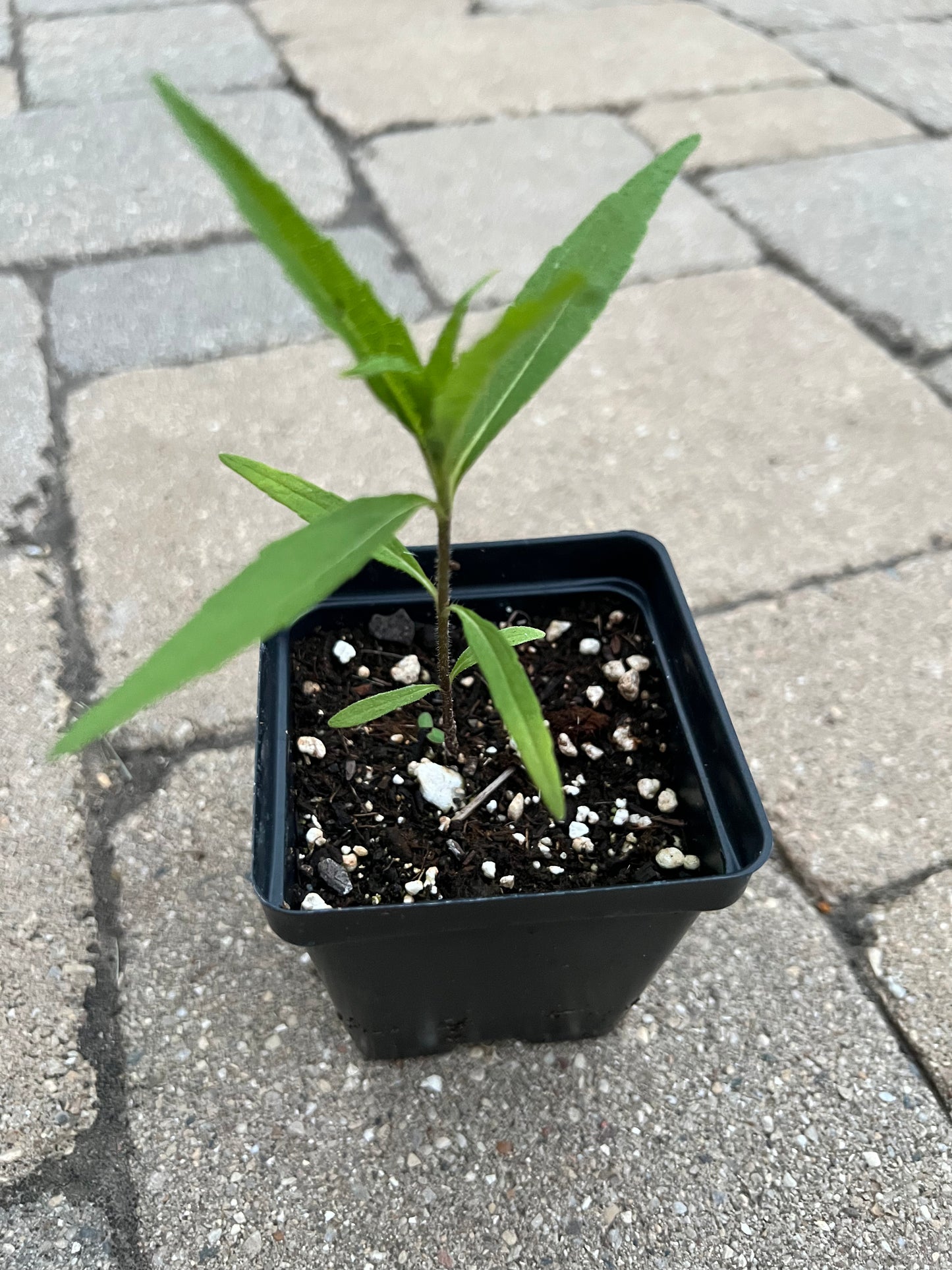
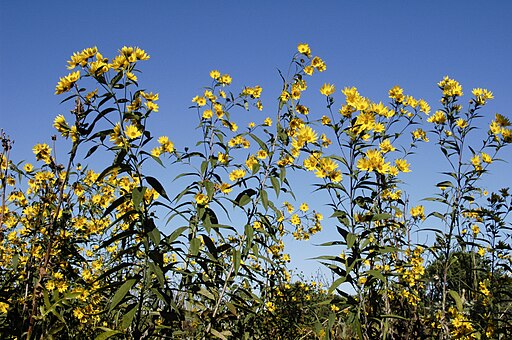
Sawtooth Sunflower (Helianthus grosseserratus)
Sawtooth Sunflower (Helianthus grosseserratus)
Couldn't load pickup availability
The Tall Prairie Powerhouse
Sawtooth Sunflower (Helianthus grosseserratus) is one of the tallest and most productive prairie sunflowers, reaching heights of 6-10 feet. This impressive plant is a biodiversity champion, supporting an incredible array of wildlife while demonstrating fascinating adaptations for nutrient cycling and soil improvement.
Allelopathy & Chemical Ecology
Sawtooth Sunflower produces allelopathic compounds in its roots and leaf litter that can suppress the growth of certain competing plants, particularly non-native grasses. This chemical warfare helps maintain prairie diversity by preventing aggressive species from dominating. Interestingly, these compounds don't affect most native prairie plants, which have co-evolved with sunflowers for thousands of years. This selective suppression helps create space for a diverse plant community.
Mycorrhizal Networks & Nutrient Pumping
The deep taproot (6-8 feet) forms extensive partnerships with mycorrhizal fungi, creating underground networks that connect multiple plants. Sawtooth Sunflower acts as a "nutrient pump," using its deep roots to access minerals from lower soil layers and bringing them to the surface through leaf drop. As the large leaves decompose, they release these nutrients, making them available to shallow-rooted plants. This nutrient cycling is essential for maintaining prairie fertility without external inputs.
Wildlife Support
The abundant flowers provide nectar and pollen for native bees, butterflies, and beneficial insects from July through September. The large seed heads produce thousands of oil-rich seeds that are crucial food for goldfinches, chickadees, nuthatches, and other songbirds. The tall, sturdy stems provide nesting sites and perches, while the dense growth creates shelter for birds and beneficial insects.
Unique Facts
- Can produce over 1,000 seeds per plant, each containing 40-50% oil by weight
- The leaves track the sun throughout the day (heliotropism) to maximize photosynthesis
- Extremely drought-tolerant once established, surviving on as little as 12 inches of annual rainfall
- The serrated leaves (grosseserratus means "large-toothed") help reduce herbivory
- Can form large colonies through rhizomes, creating impressive stands
Sawtooth Sunflower is a vertical ecosystem unto itself—cycling nutrients, supporting wildlife, and using chemical ecology to maintain prairie diversity.
Share