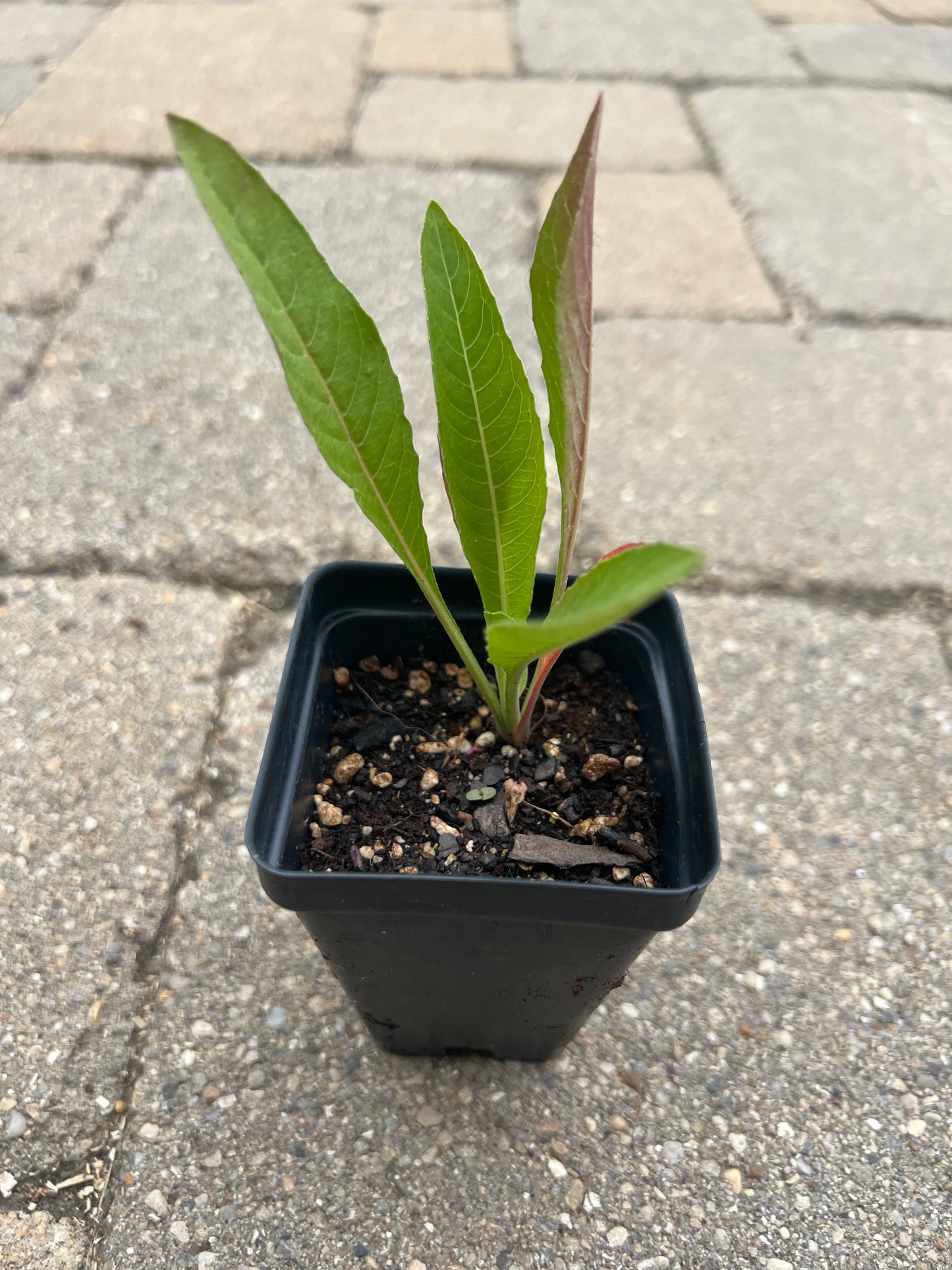
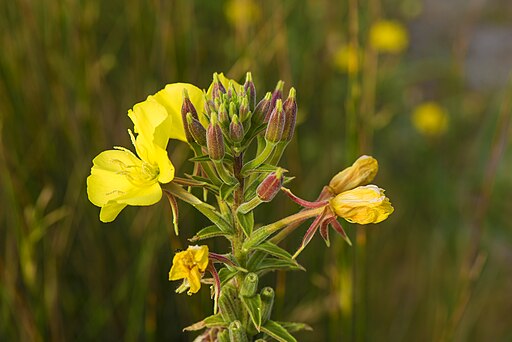
Evening Primrose (Oenothera biennis)
Evening Primrose (Oenothera biennis)
Couldn't load pickup availability
The Night Shift Pollinator Specialist
Evening Primrose (Oenothera biennis) is a fascinating biennial that has evolved a unique ecological niche—it's a specialist in nocturnal pollination. This plant demonstrates remarkable adaptations for nighttime ecology and plays a crucial role in supporting moths and other night-flying pollinators.
Nocturnal Pollination Strategy
Evening Primrose flowers open rapidly at dusk (you can actually watch them unfold in real-time!) and emit a sweet, lemony fragrance that attracts sphinx moths and other nocturnal pollinators. The bright yellow petals are highly visible in low light conditions. This nighttime specialization fills an important ecological gap—while most prairie flowers serve daytime pollinators, Evening Primrose ensures that night-flying insects have food sources too. The flowers remain open through the following day, also serving bees and other diurnal pollinators.
Soil Adaptation & Fungal Networks
As a biennial, Evening Primrose spends its first year developing a deep taproot (up to 6 feet) that stores energy and establishes mycorrhizal partnerships. These fungal associations help the plant access phosphorus and other nutrients in poor soils. The plant is remarkably tolerant of disturbed, compacted, or nutrient-poor soils, often pioneering in areas where other plants struggle. Its presence actually improves soil conditions for future plant generations.
Unique Facts
- The flowers open in less than two minutes at dusk—a phenomenon called "rapid nyctinasty"
- Seeds can remain viable in the soil for over 70 years, creating a persistent seed bank
- The entire plant is edible—roots, leaves, flowers, and seeds have been used for food and medicine
- Evening Primrose oil contains gamma-linolenic acid (GLA), a rare omega-6 fatty acid
- Can self-pollinate if pollinators are scarce, ensuring reproduction even in challenging conditions
Planting Evening Primrose adds a critical nighttime dimension to your ecosystem, supporting moths and other nocturnal pollinators while improving soil quality for surrounding plants.
Share