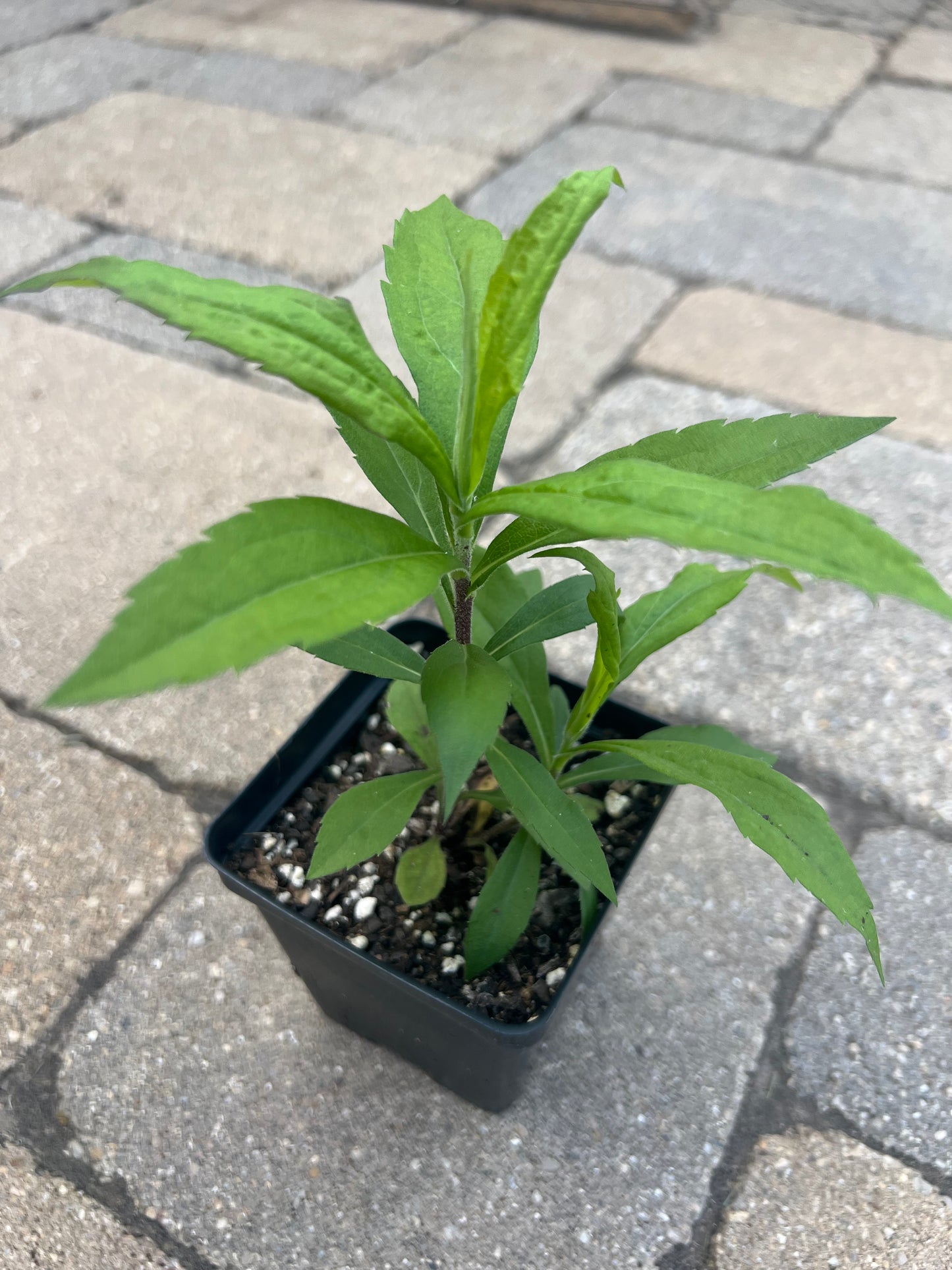
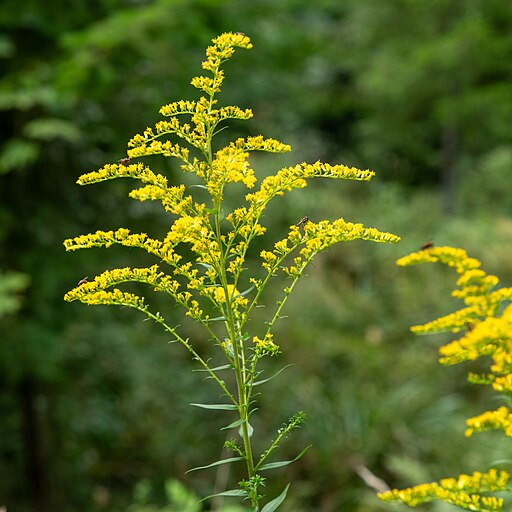
Canada Goldenrod (Solidago canadensis)
Canada Goldenrod (Solidago canadensis)
Couldn't load pickup availability
The Late-Season Pollinator Lifeline
Canada Goldenrod (Solidago canadensis) is one of the most ecologically important late-season wildflowers in North America. Blooming when most other flowers have finished, it provides critical nectar and pollen for pollinators preparing for winter, while supporting an incredible diversity of specialist insects.
Pollinator Diversity Champion
Research has documented over 100 different insect species visiting Canada Goldenrod flowers, including native bees, butterflies, beetles, and beneficial wasps. The tiny flowers are packed into dense clusters, creating efficient feeding stations that allow pollinators to gather large amounts of nectar and pollen quickly. For migrating Monarch butterflies, goldenrod nectar is essential fuel for their journey to Mexico. Native bees use the pollen to provision their nests before winter, and many specialist bees (oligoleges) depend exclusively on goldenrod species.
Rhizome Networks & Soil Building
Canada Goldenrod spreads through underground rhizomes, creating interconnected colonies that share resources through mycorrhizal fungal networks. These rhizomes help stabilize soil and prevent erosion on slopes and disturbed areas. The plant is a nitrogen accumulator, gathering nitrogen from the soil and releasing it through leaf drop, effectively fertilizing surrounding plants. This makes goldenrod an important "nurse plant" that improves conditions for other species.
Myth-Busting Science
Despite its reputation, Canada Goldenrod does NOT cause hay fever—its pollen is too heavy to become airborne. The real culprit is ragweed (Ambrosia), which blooms at the same time but has inconspicuous flowers. Goldenrod's showy flowers actually indicate insect pollination, not wind pollination.
Unique Facts
- Can host over 100 species of gall-forming insects, each creating unique structures on stems and leaves
- The flowers produce both nectar and pollen, making them especially valuable to pollinators
- Contains compounds being studied for anti-inflammatory and antimicrobial properties
- Can grow in a wide range of conditions, from wet meadows to dry prairies
- The bright yellow flowers were historically used to create dye
- Provides winter interest with dried seed heads that feed birds through the cold months
Canada Goldenrod is essential infrastructure for late-season pollinators, supporting biodiversity when it's needed most and improving soil for the entire plant community.
Share